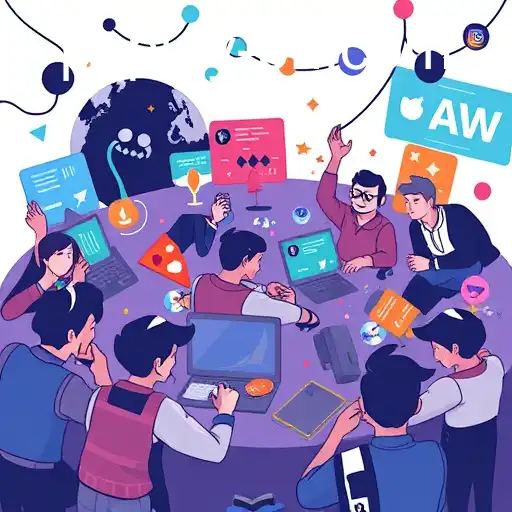
Exploring the Dynamics of Player Communities in the Gaming World
In recent years, the concept of "player community" has significantly evolved, becoming integral to the gaming industry's ecosystem. From being mere clusters of gamers with a shared interest, these communities have transformed into vibrant, complex entities that shape the gaming landscape. The influence of online communities, especially in regions with burgeoning gaming cultures like the Philippines "ph play," cannot be overstated.
The Foundations of Player Communities
Player communities initially formed around core principles of shared interest and connection. As gaming technology advanced, so did these groups. Originally, gaming communities revolved around LAN parties and local meet-ups. With the expansion of the internet, however, these communities expanded into global networks. This facilitated the concept of multiplayer gaming, where the formation of digital subcultures began to thrive.
In the context of ph play, the sense of community is flavorful and unique. Players in the Philippines often bond over traditional games recasted in digital formats, fostering a sense of nostalgia while embracing modern technology. The synergy of aged gaming cultures with modern innovations contributes to the robust growth of player communities in this region.
The Role of Social Media and Internet Connectivity
Social media platforms have accelerated the growth and reach of player communities. Platforms like Discord, Facebook, and Reddit serve as critical nodes for gamers to exchange ideas, strategies, and experiences. In the ph play community, social media acts as a bridge connecting gamers in urban centers with those in more remote regions.
With reliable and affordable internet connectivity, Philippine gamers effortlessly partake in global gaming trends while nurturing local gaming initiatives. These digital interactions overturn geographical barriers that previously limited the scope of player communities, allowing for diverse engagements and cultural exchange.
Impact on Game Development
The feedback and data garnered from player communities are invaluable to developers. Communities often function as beta testers, sharing insights that help refine gaming experiences before official launches. This has led to a more player-centric approach in game development, as community feedback often dictates the direction of updates and patches.
The ph play community frequently contributes to game development discussions, providing nuanced understandings of local gaming preferences and trends. Developers keen on tapping into the Southeast Asian market acknowledge insights derived from such communities as essential.
Challenges Within Player Communities
Even as communities serve as sources of support and enjoyment, they inevitably face challenges. Trolling, harassment, and toxicity are recurring issues that can mar the experience for serious and passionate players. Addressing these concerns is fundamental to maintaining a healthy and inclusive community space.
In the context of ph play, communal respect and cooperation are paramount. Efforts to create inclusive spaces where players from various socioeconomic backgrounds feel welcomed are ongoing. This includes community-led initiatives to promote fair play and inclusivity, reflecting the core values of many Filipino gamers.
The Influence of eSports and Competitive Gaming
The rise of eSports has further emboldened player communities, offering not just entertainment but viable career pathways for many gamers. eSports teams often originate from tightly-knit player communities, whose members collaborate intensively to hone their skills for competitive gaming.
The enthusiasm for eSports within the ph play context is palpable, with numerous tournaments and local events highlighting Filipino talent on a global stage. Such events nurture local talent, providing multiple opportunities for players to engage with professional and amateur gamers alike.
Fostering Growth and Sustainability
The continuance and expansion of player communities require strategic efforts at technological, social, and economic levels. Governments and private stakeholders must prioritize infrastructure to support gaming activities, while educational initiatives can bridge gaps in knowledge and skills necessary for gaming and game development.
In the Philippines, advocating for gamer inclusion in policy-making and local economic strategies is seen as fundamental to building sustainable gaming futures. Player communities in ph play contribute not just to gaming culture, but to the broader cultural and economic canvas of the region.